Top-Rated Home Renovation Contractor: Transform Your Home With Professional Design and Quality Craftsmanship
Home renovation can significantly improve both visual appeal and practicality. A top-rated renovation specialist plays a crucial role in this makeover. Their knowledge combines creative planning with quality craftsmanship, ensuring that each undertaking meets the homeowner's vision. However, not all contractors are created equal. Understanding the key qualities and steps required is vital for a successful outcome. What should property owners think about when beginning this journey?
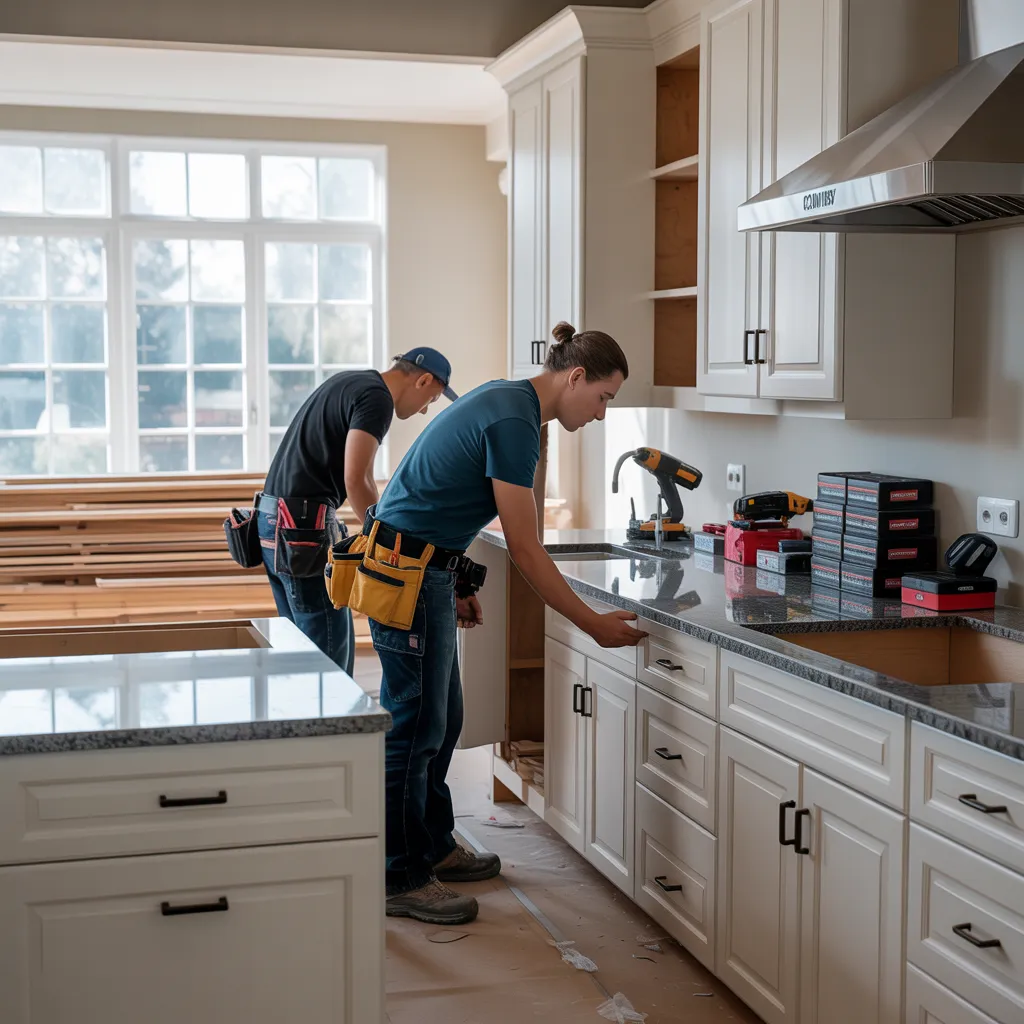
The Value of Selecting a Top-Rated Home Improvement Contractor
When commencing a renovation project, the decision to hire a top-rated contractor can greatly impact the outcome. A skilled contractor commands the expertise and expertise vital to traverse the complexities of house remodeling. They can provide valuable insights into aesthetic selections, materials, and timelines, ensuring that the work agrees with the homeowner's vision and budget.
Well-reviewed service providers typically feature glowing testimonials and an outstanding portfolio, highlighting their earlier accomplishments and customer happiness. This reputation can build confidence in residents, easing concerns tied to major renovations. In addition, a trusted professional tends to have solid partnerships with suppliers and subcontractors, which can provide more competitive rates and excellent material choices.
Ultimately, hiring a top-rated renovation expert not only improves the potential for a successful project but also promotes a cooperative setting where ideas and creativity prosper, resulting in a remodeled home that reflects the homeowner's goals.
Essential Attributes to Consider When Selecting a Remodeling Contractor
Identifying the right renovation specialist goes beyond just checking reviews and portfolios; it requires identifying specific qualities that guarantee a positive working relationship. First, a reputable contractor must possess excellent interpersonal abilities, making certain that they can express concepts effectively and understand client requirements. Then, expertise in the specific type of remodeling project required is critical, as it indicates a established history of excellent craftsmanship. Additionally, a skilled professional must be properly certified and covered, providing peace of mind regarding liability and safety. Dependability is yet another essential characteristic; a contractor must adhere to schedules and costs, minimizing unforeseen setbacks. In conclusion, a solid portfolio displaying varied finished work reflects a capacity to adapt to different aesthetics and client preferences. By focusing on these qualities, homeowners can choose wisely when hiring a renovation specialist, eventually resulting in a positive residential renovation.
Sought-After Remodeling Options to Examine
Homeowners often grapple with an vast array of alternatives when thinking about remodeling projects, each presenting unique benefits and enhancements. Among the most coveted projects stand kitchen renovations, which can markedly boost utility and design appeal. Revamping countertops, cabinets, and appliances not only transforms the space but also adds monetary value to the home.
Bathroom remodels are another preferred choice, offering a haven for unwinding and personal care. Homeowners often select updated fittings, sophisticated tile work, and improved designs to increase coziness.
Moreover, basement finishing has become increasingly common as a method to expand living space, developing flexible spaces for leisure activities or work from home setups.
Outdoor upgrades, such as deck placements or landscaping, also stay in demand, allowing residents to optimize their outdoor enjoyment. Each of these initiatives not only reshapes the living environment but can also deliver a major return on investment.
The Design Process: Collaboration With Your Builder
The design process in remodeling demands a vital collaboration between the homeowner and the contractor. During the opening consultation, thoughts and aspirations are exchanged, creating the groundwork for the endeavor. Then, design modifications occur, enabling refinements and ultimately leading to sign-off before building commences.
First Assessment Meeting
How does an initial consultation meeting set the stage for a effective renovation? This critical opening move permits homeowners and contractors to develop a mutual understanding of the project's vision and goals. During this consultation, clients convey their budget, ideas, and requirements, while contractors assess the space and provide insights on feasibility. Effective communication is critical, as it encourages teamwork and trust between both entities. Contractors may also present portfolios of previous work, offering inspiration and highlighting their proficiency. By addressing any worries and talking about schedules, the initial consultation lays the groundwork for a successful partnership. Ultimately, this encounter is vital for aligning expectations and ensuring that the remodeling project commences on a strong base.
Design Progression and Validation
During the design process, collaboration between homeowners and contractors becomes key for shaping the project vision. This phase underscores open communication, allowing both parties to convey ideas, preferences, and concerns. Contractors propose initial design concepts based on the homeowner's input, which results in iterative revisions. expert tips Each design iteration serves as a milestone toward the final layout, incorporating feedback and making necessary adjustments. Homeowners should feel empowered to express their thoughts, ensuring the design corresponds with their aspirations. Approval of the final design represents a important milestone, solidifying the project blueprint. This joint strategy fosters a sense of ownership and satisfaction, paving the way for successful implementation and ultimately converting the home into a personalized living space.
Grasping the Costs of Home Renovation
Comprehending the monetary consequences of home remodeling is vital for any homeowner planning a project. Financial planning properly requires not only taking into account the primary expenses but also spotting hidden expenses that may arise during the renovation process. Knowledge of these financial factors can help guarantee a smoother and more successful renovation experience.
Planning Your project finances
Budgeting for a home remodeling project requires meticulous consideration of various costs at stake. Homeowners should initiate by clarifying the scope of the project, which will greatly influence the total budget. Key expenses typically feature materials, labor, permits, and design fees. It is essential to survey and obtain quotes from several contractors to establish a practical estimate. In addition, homeowners should contemplate whether they will undertake any of the work themselves, which can cut labor costs. Establishing a contingency fund is also sensible, as it allows for unexpected expenses that may surface during the renovation process. By deliberately analyzing these factors, homeowners can create a all-encompassing budget that aligns with their budget constraints and project goals.
Concealed Fees to Keep in Mind
While homeowners often concentrate on the significant costs of a remodeling project, they may overlook several hidden costs that can substantially affect the total expenditure. These costs can encompass permits and inspections, which vary by location and project type. Unforeseen structural issues, such as deterioration or obsolete electrical systems, may also arise during remodeling work, necessitating additional funds. Homeowners should also account for the expenses for interim accommodations if the undertaking requires substantial labor. In addition, design changes during the process can lead to higher costs, as can the choice of premium finishes. Finally, post-remodeling costs, such as fresh furniture or yard work, can further burden the finances. Understanding of these hidden expenses is crucial for sound budget management.
Guidance for a Successful Home Redesign Undertaking
A prosperous home renovation process is tied to detailed planning and transparent communication. Homeowners must start by creating a reasonable budget and timeline, anticipating potential delays and unexpected costs. Working with a reputable remodeling contractor is essential; they bring expertise and can offer insights that reduce time and money.
Owners should also establish a detailed design plan, featuring materials and finishes, to guarantee a cohesive vision. Regular check-ins with the contractor support alignment on progress and address any concerns in a timely manner. Communication should continue to be transparent and engaged, fostering a collaborative atmosphere.
Furthermore, it's wise to get prepared for disruptions by establishing a interim living space, especially for bigger projects. In the end, patience is crucial; renovations can be taxing, but a positive mindset will contribute to a smoother process and contentment with the final outcome. By adhering to these tips, homeowners can enhance their renovation experience and accomplish their desired results.
Regularly Submitted FAQs
How Much Time Should You Anticipate a Standard Remodeling Project to Require?
A typical remodeling project can require anywhere from a few weeks to several months to finish. Elements affecting the timeframe consist of project size, intricacy, and the efficiency of the construction professionals and subcontractors.
What Types of Guarantees Do Remodeling Contractors Offer?
Remodeling contractors typically give warranties on workmanship, materials, and appliances. These warranties can range from one year to a lifetime, according to the contractor and specific project details, providing reassurance to homeowners regarding quality and durability.
What's the Most Effective Way to Confirm a Contractor's License and Protection?
To confirm a contractor's license and insurance, one can consult state regulatory agencies and digital records. Additionally, asking for copies of insurance certificates directly from the contractor ensures coverage is current and satisfies required standards.
What should I Do if I'm Dissatisfied With the Work?
In case dissatisfaction develops, the homeowner should discuss issues directly to the contractor. Track issues, study the agreement, and work toward amicable resolution. If continuing unresolved, consider dispute resolution or contacting local regulatory authorities for supplementary assistance.
Can You Locate Loan Options for Home Remodeling Projects?
Many home improvement professionals offer multiple payment methods, including personal credit, home equity lines of credit, and payment plans. House owners should explore these options to find a answer that matches their budget and project needs successfully.